
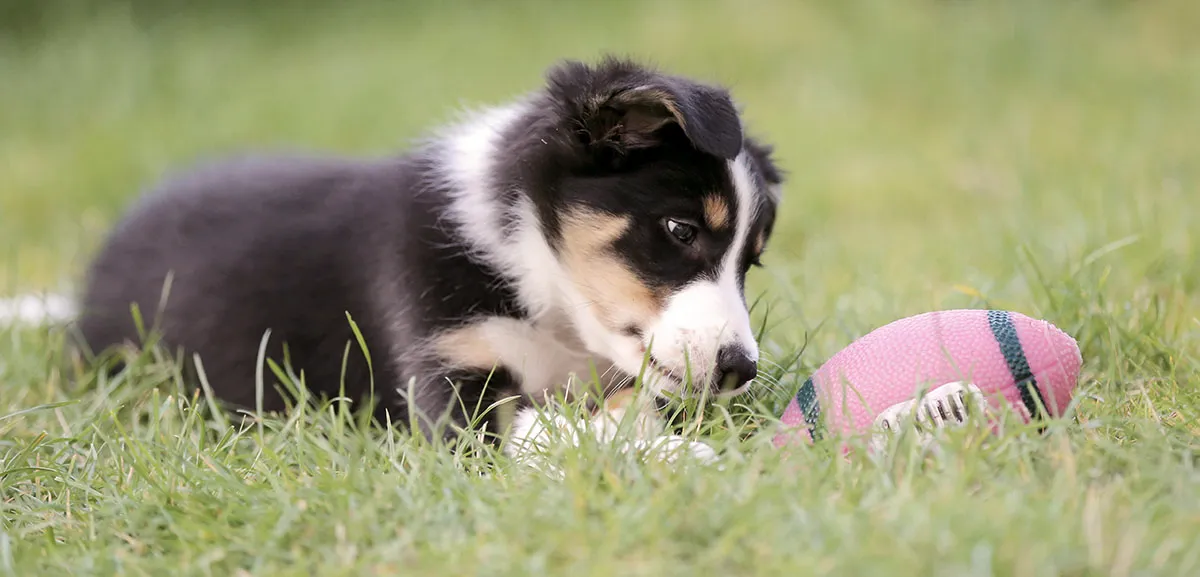
Photo Tips for the Perfect Pet Portrait
Get gallery-worthy results by sending sharp, well-lit originals: natural light, eye-level angles, and close framing. Below you’ll find simple steps I rely on as an artist.
Send Photos for a Quick ReviewPhoto Is Key
The photographs I receive and use as references for my artwork are the most significant part of the painting process. Since I work from photos, the final portrait depends on the quality of the images you send. Please provide the best photos you have—and as many as you can.
If you'd like to photograph your pet specifically for a portrait, the tips below will help you capture ideal references.

Mobile Phone, System Camera, or Old Paper Photos?
Mobile Phones and Tablets
Today it's easier than ever to capture and share moments with the devices we carry everywhere. While convenient, mobile photos often fall short as portrait references.
Good lighting and proximity help, but artists can spot the clarity difference between mobile photos and those from a quality digital camera.
Old Paper Photos
Many treasured memories live in older prints, though they often lack modern portrait clarity. You can mail these to my studio for review. Usable photos will be scanned in high resolution and the originals returned with your artwork.
If your pet is alive, consider taking new digital photos—or ask a friend to help—to achieve the best result.
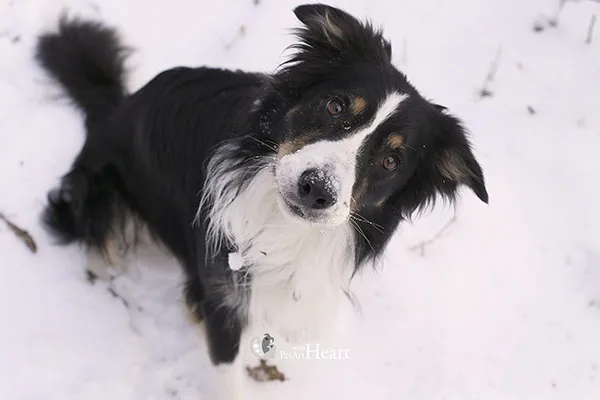
Positioning and Getting on Your Pet's Level
Capturing the Best Angle
Avoid photographing your pet from above. Instead, shoot at their eye level so the perspective matches how the portrait will be viewed on your wall.
For small animals, crouch down or place them on a raised surface. For larger pets, stand at their eye level.
Perfecting the Shot
Visualize the final photo through the viewfinder—if it looks good, take the shot.
Aim for your pet to gaze slightly to the left or right of the camera to add depth (and avoid a flat look). Ensure both eyes are visible for a balanced, engaging portrait.
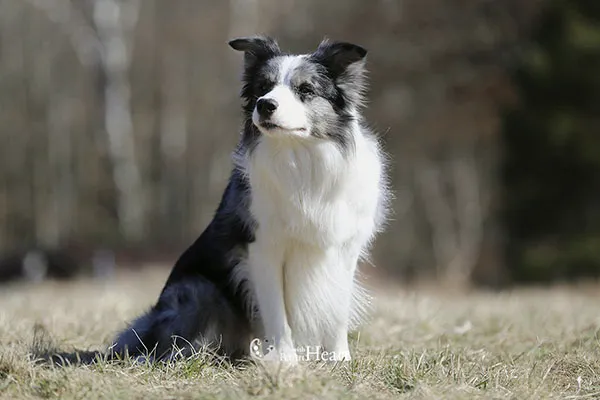
Natural Lighting
Whenever possible, take photos outside in natural light rather than indoors with flash.
Sunny days are great, but avoid harsh, direct sunlight or deep shadows that can wash out your pet's colors.
If you must shoot indoors, place your pet near a window and avoid flash. Soft daylight will keep colors true and details visible.
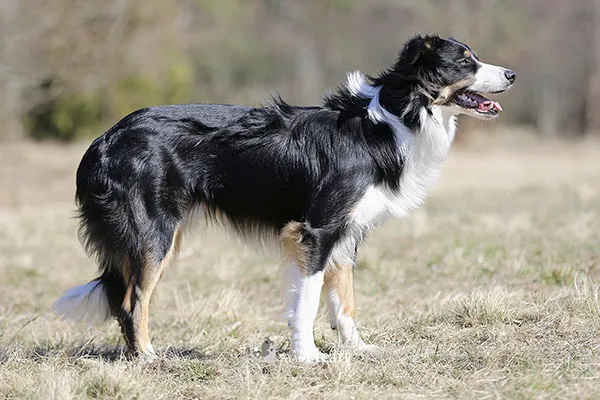
Fill the Entire Frame
For a full-body portrait, keep your pet close in the frame with a bit of background so they remain the focus. If they're too far away, details won't be sharp.
For a head-and-chest portrait, fill the frame with your pet's full head and neck without cropping desired parts. Don't rely on zooming into a distant full-body shot—zooming blurs detail.
I paint what I see, so it's best to start with clear, close images.
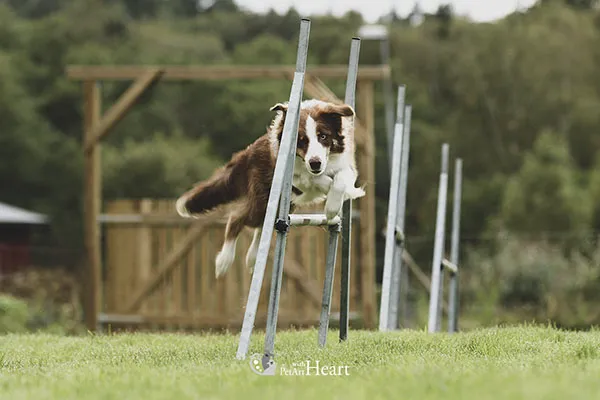
Photo Size
Please email photos in their original size, downloaded directly from your camera. Reduced images lose clarity and important detail.
Pixel counts vary by camera (for reference, my camera produces 5472x3648 px images), but any large, original image works perfectly via email or cloud sharing.
If you don't have the original file and you're unsure whether it's usable, send me an email for a quick review.
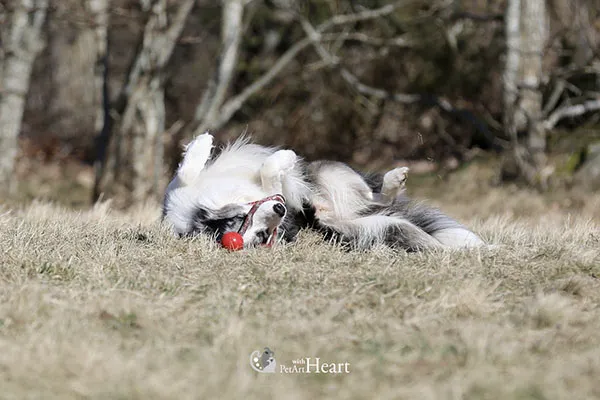
Be Patient and Have Fun
Capturing your pet's personality takes time, patience, and a relaxed environment.
Don't rush—use treats or toys to keep them comfortable and keep your camera handy to catch natural, joyful moments. A happy face is always the most beautiful.
Be creative and look for spontaneous “wow” moments in everyday life. If your pet has passed and you only have older photos, feel free to email them for review; while a large oil painting may not be possible, other portrait options can work beautifully.